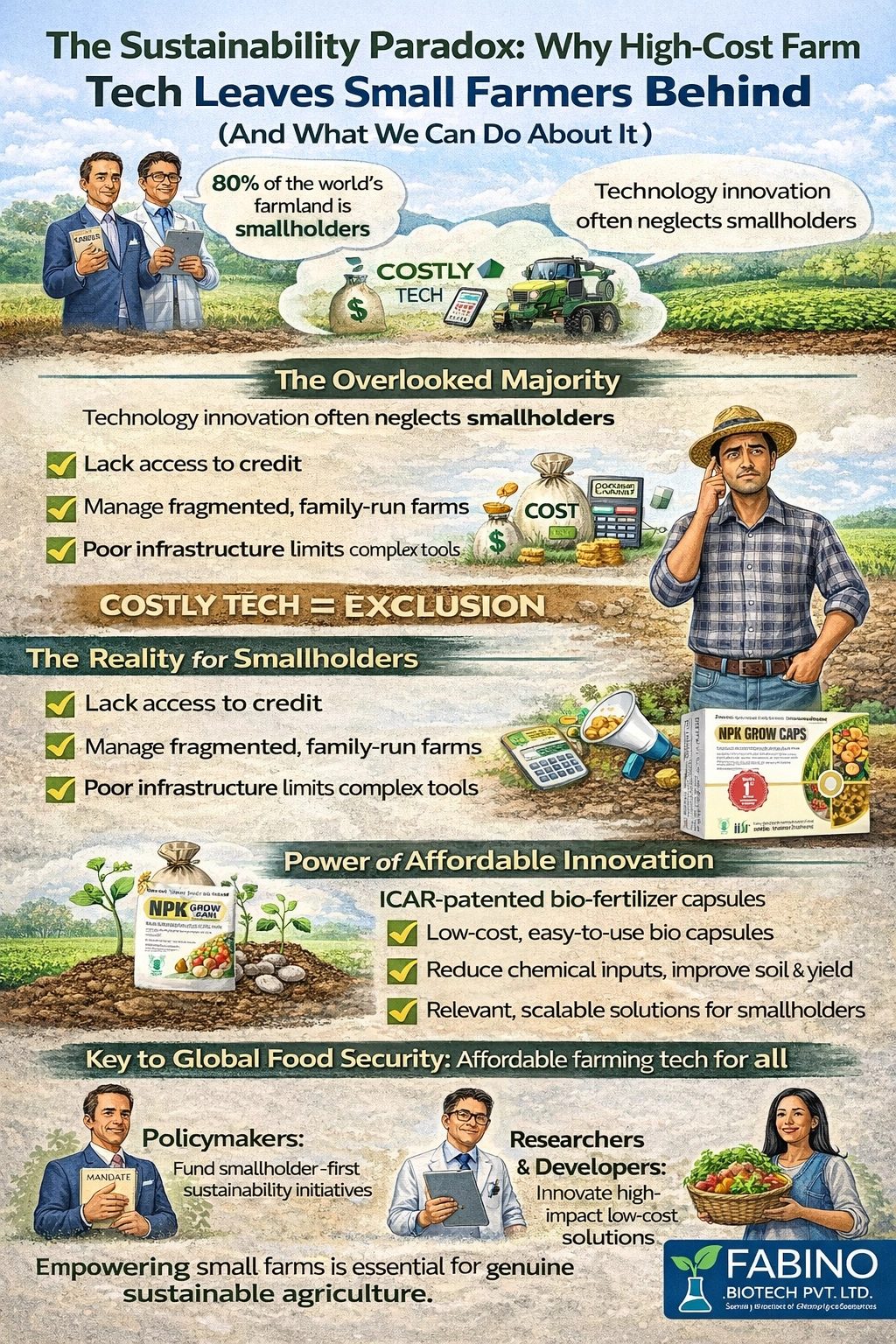
Perspective of an Agricultural Specialist
Regenerative agriculture is no longer a niche idea—it is becoming a global necessity. As soil degradation, climate change, and food security concerns intensify, countries that can regenerate soil while producing nutritious food at scale will lead the future of agriculture. India is uniquely positioned to become that global hub.
1. India Has the World’s Most Diverse Agro-Climatic Conditions
India spans tropical, subtropical, arid, semi-arid, coastal, and mountainous ecosystems. This diversity allows regenerative practices—such as cover cropping, bio-inputs, agroforestry, and natural nutrient cycling—to be tested, adapted, and perfected across multiple climates.
What works in India can be replicated across Africa, Asia, the Middle East, and Latin America, making India a natural global reference point for regenerative solutions.
2. A Living Legacy of Natural & Regenerative Practices
Long before the term “regenerative agriculture” was coined, Indian farmers practiced:
-
Crop rotation
-
Mixed cropping
-
Use of organic manures and bio-inputs
-
Conservation of soil moisture and biodiversity
Today’s regenerative movement is essentially a scientific revival of India’s traditional wisdom, strengthened by modern research and data.
3. Strong Scientific & Institutional Backbone
India has one of the largest public agricultural research systems in the world, with institutions like ICAR and state agricultural universities driving innovation in:
-
Soil biology
-
Microbial technologies
-
Bio-fertilizers and bio-stimulants
-
Climate-resilient crops
This science-backed ecosystem enables India to scale credible, measurable regenerative models, not just philosophies.
4. India’s Soil Crisis Is Driving Innovation
Over 60% of Indian farmland shows signs of declining organic carbon and biological activity. This challenge has accelerated innovation in:
-
Soil regeneration technologies
-
Microbial and biological inputs
-
Precision delivery systems (like encapsulated bio-solutions)
Necessity has made India a global laboratory for soil restoration, producing scalable and cost-effective regenerative tools.
5. Scale of Farmers = Scale of Impact
India has over 140 million farmers. When regenerative practices are adopted at this scale:
-
Carbon sequestration impact becomes globally significant
-
Biodiversity restoration multiplies rapidly
-
Regenerative data sets become unmatched in size
No other country offers this scale of real-world regenerative implementation.
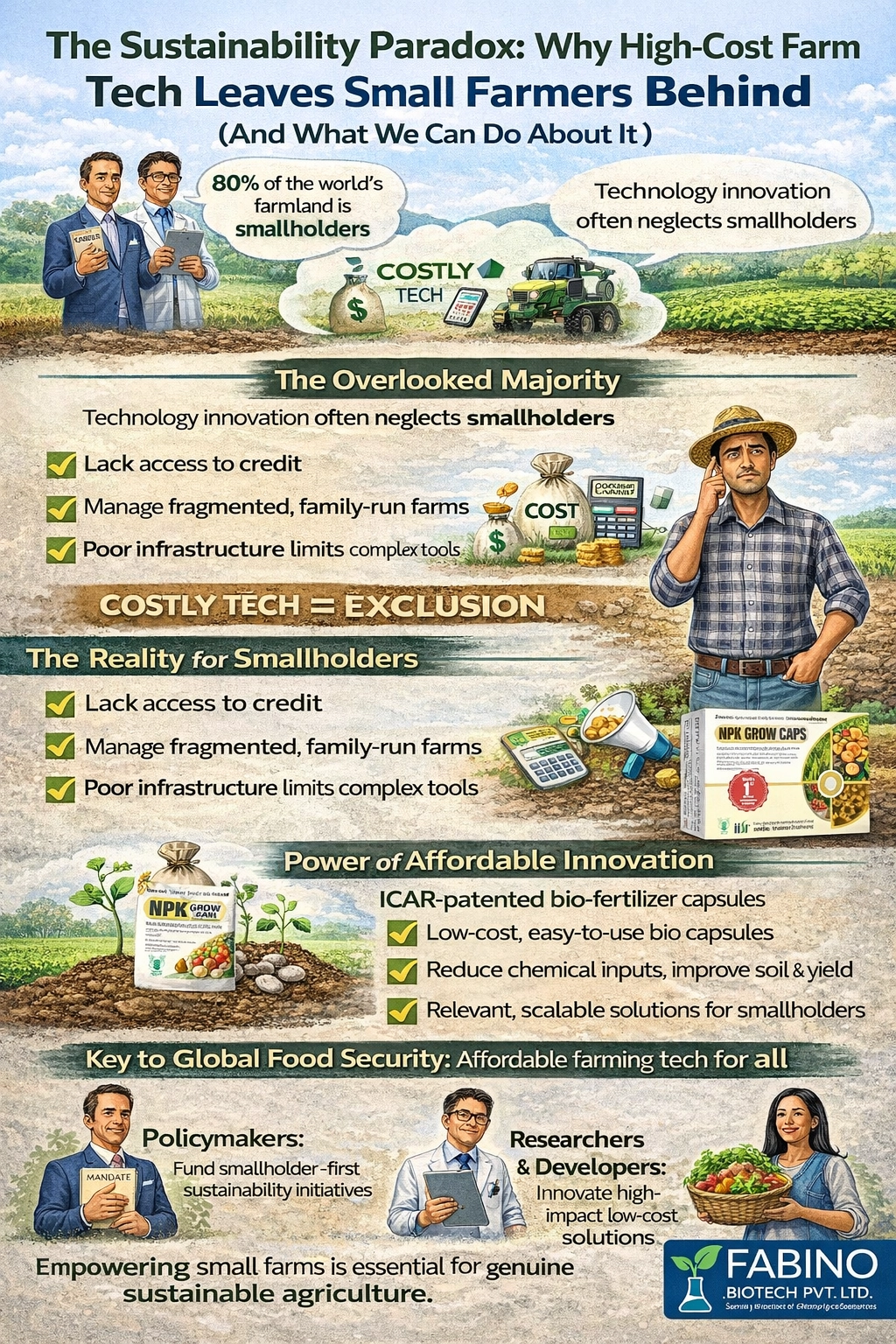
6. Cost-Effective Regenerative Solutions for the World
Unlike high-cost regenerative models in the West, India is developing:
-
Low-cost bio-inputs
-
Minimal-resource soil solutions
-
Easy-to-apply regenerative technologies
This makes India the most suitable exporter of regenerative agriculture solutions for developing and emerging economies.
7. Alignment with Global Climate & ESG Goals
Regenerative agriculture directly supports:
-
Carbon reduction
-
Soil carbon sequestration
-
Water conservation
-
Biodiversity revival
India’s regenerative push aligns naturally with global ESG goals, Net Zero targets, and climate finance frameworks, making it attractive for governments, CSR programs, and impact investors worldwide.
8. Export Potential Beyond Food
India’s future leadership is not limited to exporting organic food. The real opportunity lies in exporting:
-
Regenerative farming models
-
Bio-input technologies
-
Soil health solutions
-
Farmer training systems
-
Carbon-linked agricultural practices
India can become the knowledge, technology, and solution provider for regenerative agriculture globally.
Conclusion: India’s Moment Has Arrived
Regenerative agriculture requires three things: tradition, science, and scale. India is the rare country that possesses all three.
If supported by the right policies, market incentives, and innovation-driven private participation, India can transition from being the world’s largest agrarian economy to the world’s most influential regenerative agriculture hub—healing soil, climate, and food systems not just for itself, but for the planet.
For more information, connect with us :
Email: info@fabinobio.com
Website: www.fabinobio.com
Tags: -