Governments rightly design schemes to:
- Improve soil health and reduce chemical dependence
- Raise farmer incomes through productivity gains and market access
- Promote climate-resilient practices and organic farming
- Create traceability for subsidies and carbon/ESG reporting
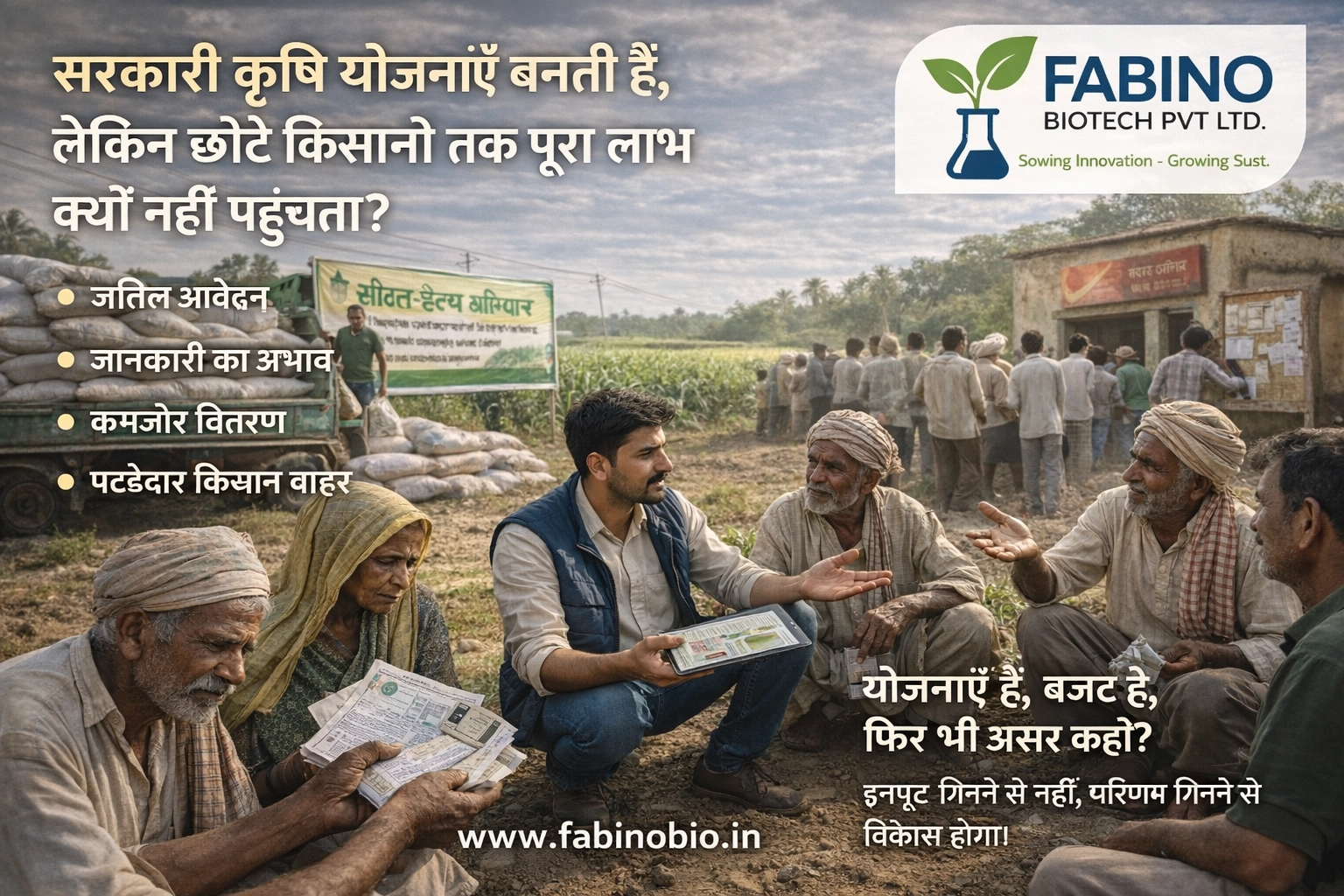
On paper, these policies can transform rural economies. In practice, uptake and impact are uneven.
The Ground Reality — Why Many Small Farmers Miss Out
- Complex application processes
- Forms, online portals, Aadhaar/ID linking and multiple documents—these push many smallholders out of the loop, especially women, elderly farmers and tenants.
- Poor last-mile delivery
- Subsidies or inputs are announced centrally but fail to reach villages due to weak logistics, middlemen capture, or poor inventory forecasting.
- Information asymmetry
- Farmers often don’t know exactly what a scheme offers, how to apply, or how the benefits will be delivered. Extension services are under-staffed and under-resourced.
- Exclusion of tenant and sharecroppers
- Many policies are land-title or ownership based. Tenant farmers and sharecroppers—who form a large part of the rural workforce—are left out.
- One-size-fits-all solutions
- Blanket recommendations (apply X kg fertilizer per hectare) ignore soil type, crop mix, irrigation availability and farmer capacity, leading to poor outcomes.
- Mistrust and behavioural barriers
- Farmers are risk-averse. Without demonstration and visible early wins, they resist changing tried-and-tested practices.
- Cash-flow & input affordability
- Even when subsidised, up-front costs, transport and opportunity cost for labour discourage adoption.
- Weak monitoring & accountability
- Reporting systems often show “coverage” without verifying real use or outcomes — a classic case of inputs delivered but outcomes not audited.
Where Governments Often Fall Short
- Design without co-creation: Policies are rarely co-designed with farmers, local NGOs, or extension workers.
- Technology first, inclusion second: Digitisation is powerful — but without offline alternatives, it excludes those with low digital literacy.
- Insufficient decentralisation: Central targets push states/districts to meet numbers rather than ensure quality.
- Poor grievance redressal: Farmers rarely get fast, transparent ways to escalate non-receipt or poor quality of inputs.
- Limited field demonstration: Scaling without pilots and credible local demonstrations undermines trust.
Who Is Accountable?
Accountability is distributed — and that’s both a problem and an opportunity.
- Policy makers (central/state): Responsible for clear scheme design, inclusive eligibility rules, adequate funding and monitoring frameworks.
- Implementing agencies (district/block): Responsible for last-mile logistics, training, grievance redressal and verification.
- Service providers & input suppliers: Responsible for quality of inputs, timely delivery and post-sale support.
- Civil society & farmer groups: Responsible for grass-roots outreach, peer learning, and local accountability.
- Private sector & tech partners: Responsible for designing digital tools that include low-tech alternatives and for transparent data sharing.
Accountability only works when roles are explicit, data is transparent, and penalties/incentives align with outcomes (not just disbursements).
Practical Fixes — Making Schemes Work for Small Farmers
- Simplify access: Paper-light + assisted offline helpdesks at village level. Use co-ops, post offices and FPOs as enrolment hubs.
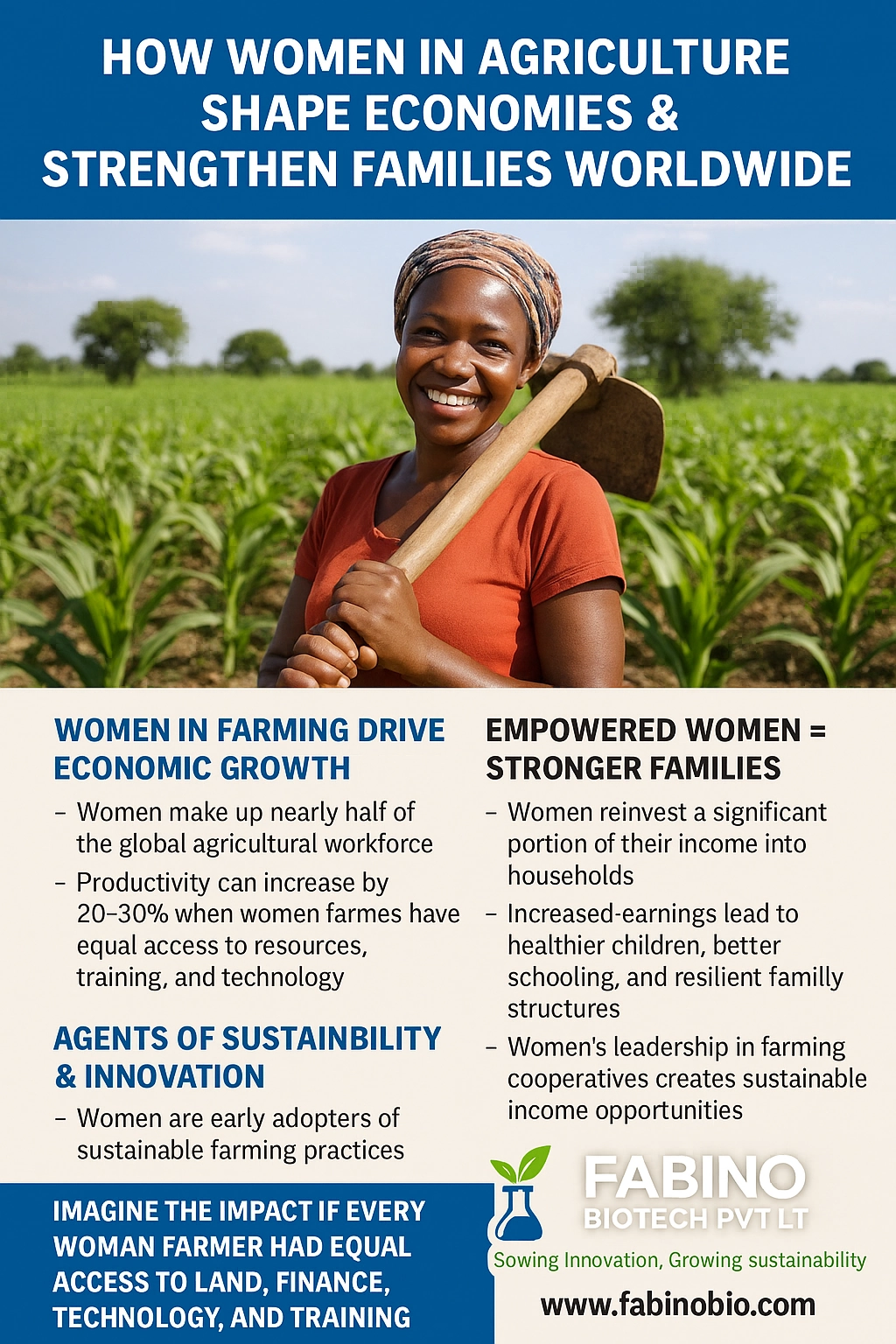
- Target tenants & women: Allow alternative proof of cultivation (rental receipts, FPO membership), and design women-friendly timelines and subsidies.
- Local co-creation: Pilot programs at block level with farmer representation before scale-up.
- Demonstrations & rapid feedback: Small, visible demo plots (30–50 farmers) with measured results build trust quickly.
- Outcome-based payments: Link a portion of subsidy or incentive to verified outcomes (soil health improvement, yield, reduced input use).
- Strengthen extension: Hybrid digital + in-person extension — SMS + community technicians — for behaviour change and troubleshooting.
- Transparent tracking: Public dashboards showing not only deliveries but measured outcomes and grievances resolved.
- Leverage private sector responsibly: Use CSR and PPPs for logistics and training, but keep procurement transparent to avoid capture.
- Build finance solutions: Short-term credit or “pay-later” models for inputs and training so farmers can adopt new methods without cash-flow stress.
- Monitor & evaluate: Random audits, soil testing, and third-party impact assessments; publish results and act on findings.
The Role of Bio-Innovation (A Short Note)
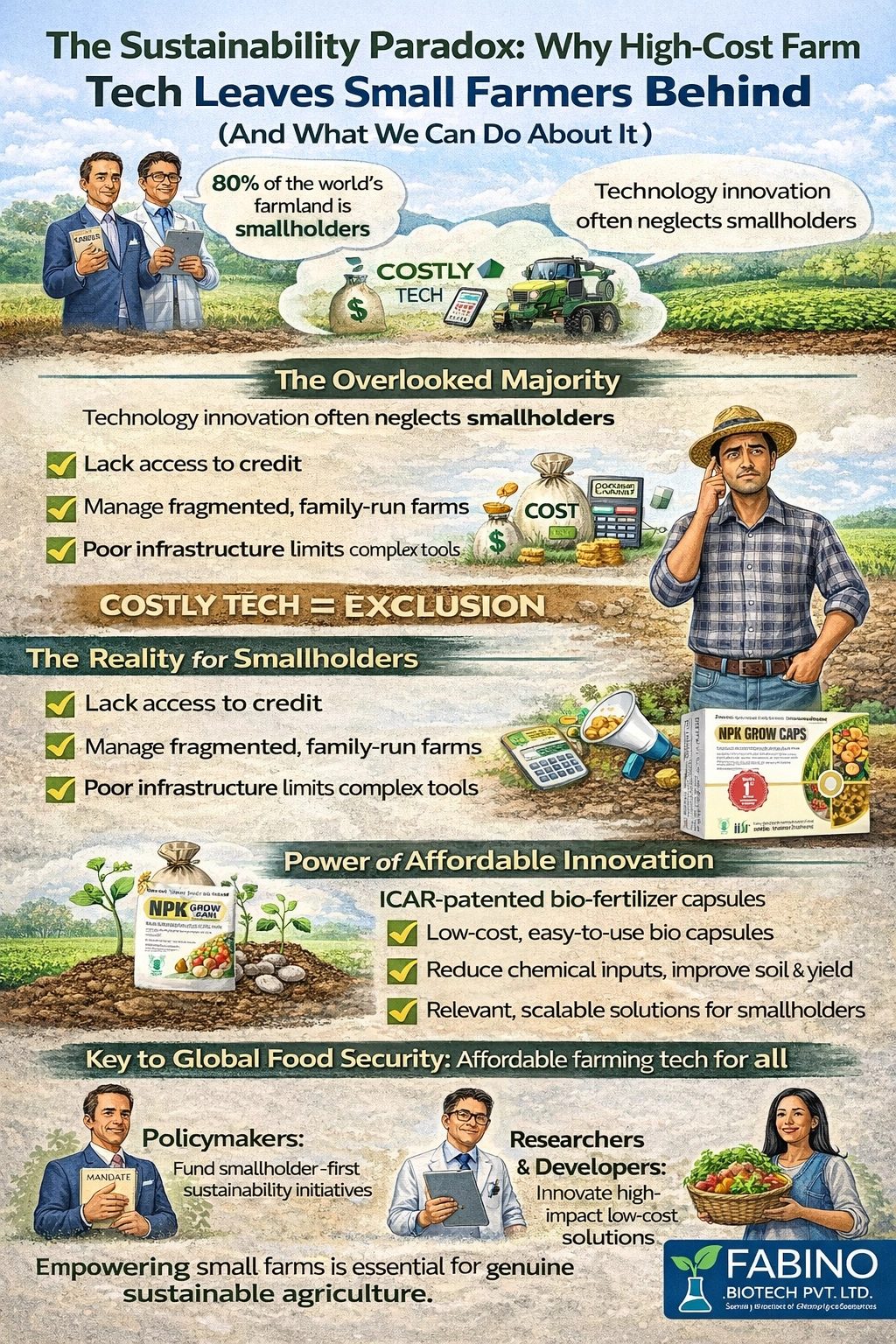
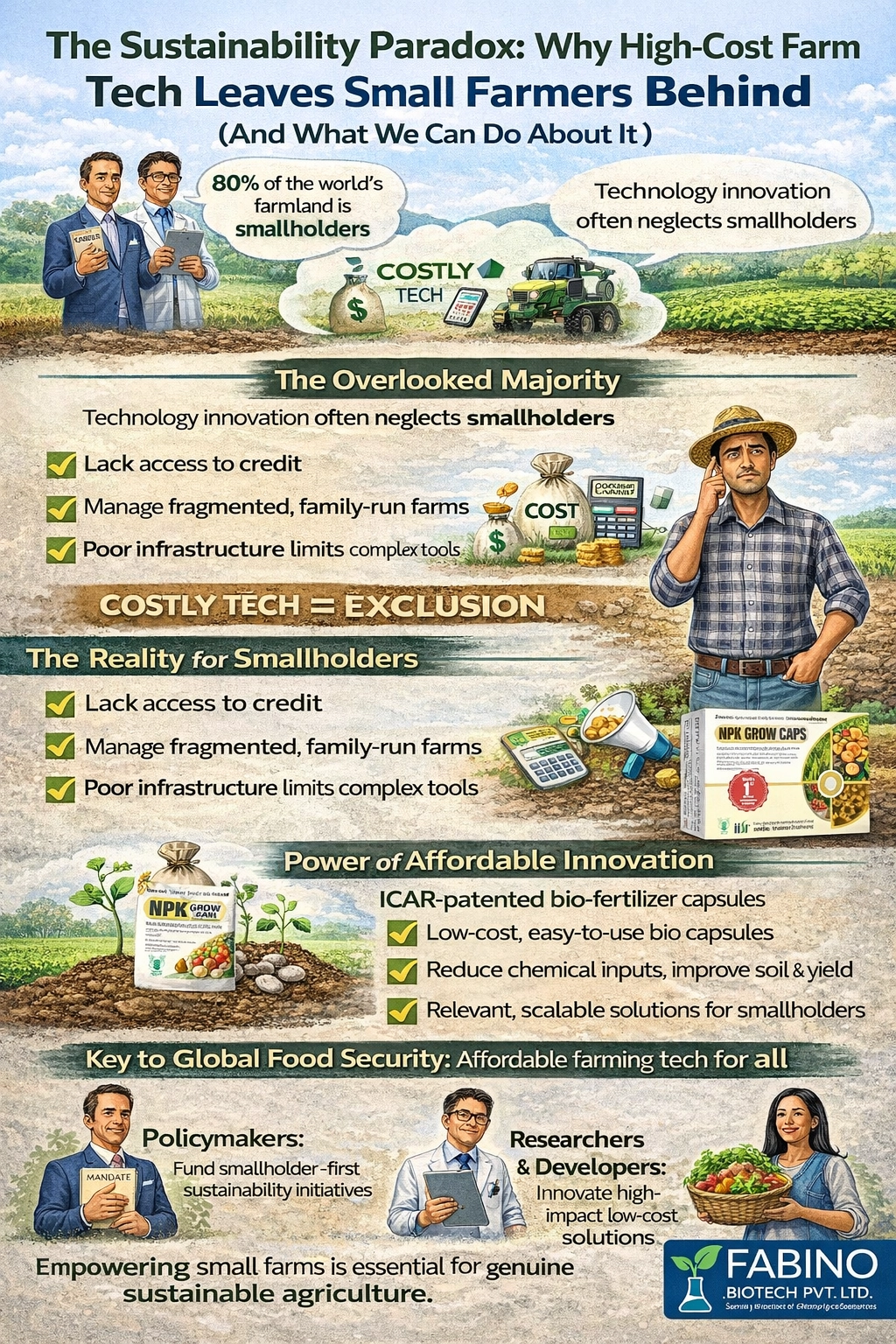
Small, precision technologies—like bio-fertilizer capsules and microbial solutions—can reduce dependency on heavy chemicals and lower up-front costs, but only if they are:
- Packaged in small, affordable units for smallholders
- Deployed with hands-on demonstrations and training
- Included explicitly in government procurement and subsidy lists
Tech without outreach fails. Outreach without tech is slow. Both together succeed.
Who Benefits When Systems Work?
- Farmers: higher net incomes, lower risk, healthier soils
- Governments: lower subsidy bills, stronger food security, climate co-benefits
- Society: safer food, healthier ecosystems, and more resilient rural economies
Final Thought — From Slogans to Soil
Schemes will keep being announced. But the measure of success is not how many forms are submitted or cheques dispatched — it is whether farmers actually change practice, earn more, and improve their land. That requires design for inclusion, rigorous implementation, and shared accountability across government, private sector and civil society.
If we move beyond counting inputs and start counting outcomes, smallholder agriculture can finally get the promises it was given.
🌱 Visit : www.fabinobio.com | info@fabinobio.com
Like & Follow : https://www.facebook.com/groups/1160841025659824
Tags: -